




CoMe Household: Your Leading Bath Mat Manufacturer in China
Guangzhou CoMe Household Company Ltd. is an import and export enterprise that integrates research and development, production and sales. We focus on the research and production of green and environmental household supplies. We have our own brand and also do OEM processing, and our products are deeply loved by people from all over the world.
Why Choose Us
Wide Range of Products
We are committed to producing environmentally friendly household products with elegant appearance. Our products include advanced Plastic printed tablecloths, fabric tablecloths, PVC Bath mats, floor mats, pet mats, non-slip mats, EVA shelf liners, and yoga mats.
Strong Production Capability
We own a 2000 square meter plant, 30 production lines, and 4 production bases. Our annual production capacity reaches 20,000 tons. Due to the strong production capability, we are able to undertake a large number of orders.
Controlled Supply Chain
To ensure the highest quality, we have implemented comprehensive Quality Assurance and Supply Chain Control systems. Every product you receive has undergone strict screening and quality control.
After-Sales Service
We will be responsible for the products you receive to the end and provide you with intimate after-sales service. We promise quick responses if you have any problem after purchasing.


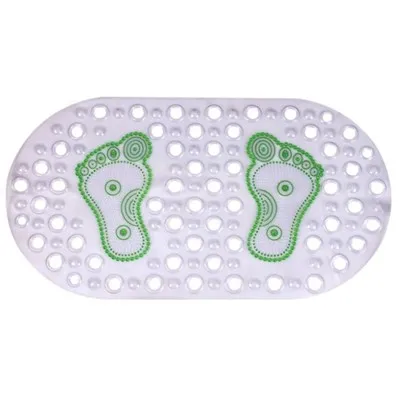


A bath mat is made specifically for preventing slips and wet floors in your bathroom. Bath mats are used right in front of your bathtub or shower to absorb water after you bathe. They are typically extra absorbent and offer non-skid features for safety.
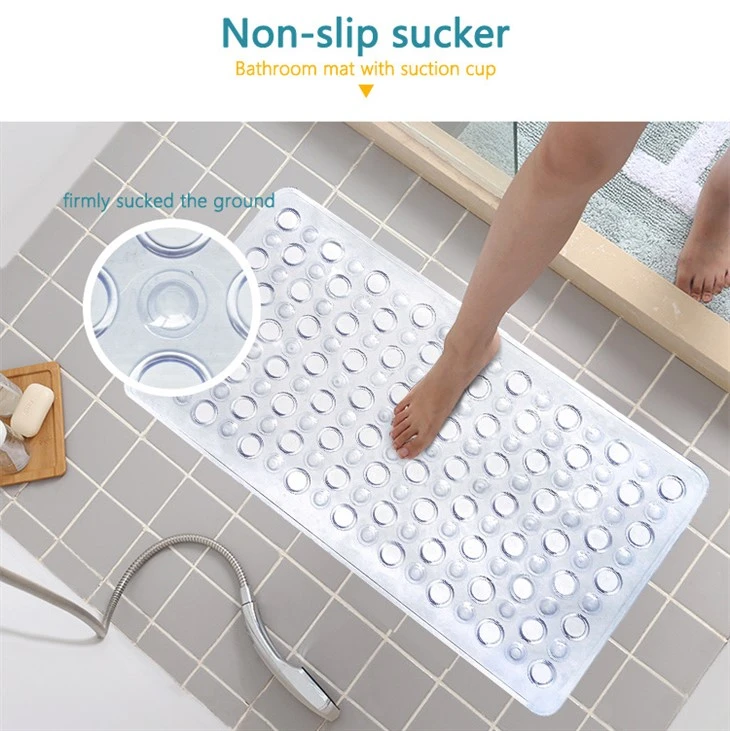
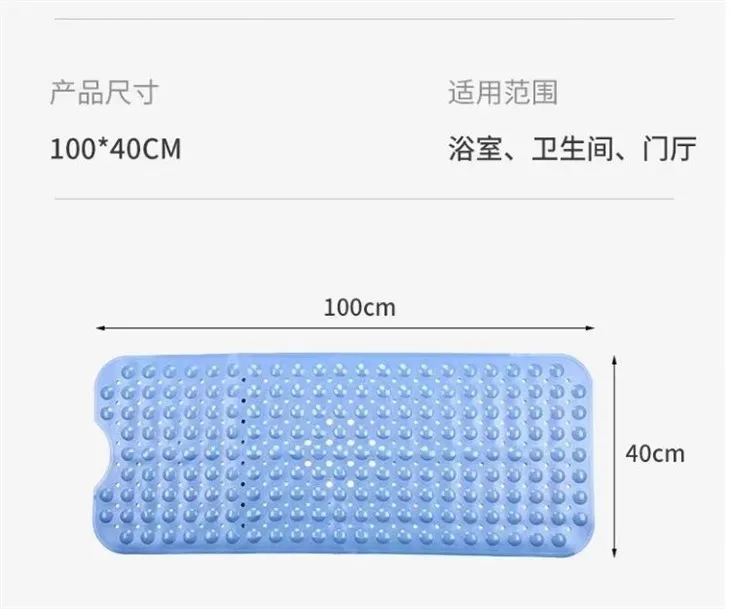
Safety: Bath mats provide a secure footing, reducing the chances of slips and falls on wet surfaces.
Moisture Absorption: Designed with high absorbency in mind, bath mats quickly soak up water. keeping your bathroom dry and preventing water damage.
Hygiene: By placing a bath mat near your shower or bathtub, you can minimize the transfer of dirt. grime, and germs from your feet to the rest of your home.
Comfort: Stepping onto a plush and soft bath mat after a relaxing bath or shower adds a touch of luxury and comfort to your daily routine.
Materials of Bath Mat


Cotton
Cotton is a soft and absorbent material that dries quickly in most environments. It has a reputation for being easy to clean, which would appear to make it an idea choice for bathroom or shower mats! Egyptian cotton is popular for those seeking extra absorption and durability compared to standard cottons but is a more expensive option. Cotton is soft and comfortable to the touch so provides a nice user experience, it is also available in a wide variety of colours and thicknesses.
Microfibre
Mould and mildew resistant - "micro" fiber is a yarn that is finer than natural fibers (silk and hair) This fineness of the microfibres allows them to be woven tightly together, creating a high number of micro-pores between each fiber which gives microfibre bath mats an absorbency seven times higher than cotton bath mats. Microfibre bath mats are simple to dry. They are ideal in colder climates as even at room temperature they will dry a lot quicker than cotton towels, keeping them relatively fresh.
Memory Foam
Memory foam is usually associated with beds but memory foam bath mats are becoming increasingly popular as they are super absorbent, are non-slip and durable enough to tolerate machine washing. Memory foam bath mats also offer the comfort of cotton bath mat. They are non-slip because the feet sink into material. Memory foam is fast drying so bacteria and mould have little opportunity to establish themselves. Some examples have been treated with an antimicrobial technology to keep your bath mat fresher for longer. Surprisingly, memory foam or polyurethane is recyclable and can be found found in multiple products with diverse uses.
Cork
Cork is another popular bath mat material. Correctly sourced cork is another fantastically sustainable material as it comes from the bark of a tree and doesn't require the tree to be cut down. The cork oak tree mainly grows in southern Europe, and harvesting is done by highly skilled specialists. It's not quite as quick to grow as bamboo, as the tree must grow for 25 years before it can first be harvested, then every 7 years thereafter. Cork trees have a lifespan of up to 300 years. Unlike soft bath mats, cork can be wiped down and aired rather than machine washed, saving the cost and environmental impact associated with machine washing and drying. Cork mats are definitely non-slip as the material is naturally 'grippy' to the floor. They are also marketed as absorbent and quick drying, simply stand the mat on its edge after use.
Rubber
Rubber is an excellent non-slip, grippy material. Think car tyres and the soles of shoes. You often find rubber mats in nursing homes and hospitals for reasons of safety.
Hard Bamboo
Bamboo is often touted as naturally anti-microbial and anti-mildew so there is no need to constantly machine wash, saving money, and time and reducing environmental impact. This is only partially true, if Bamboo is left wet it can be prone to growing mold on its surfaces, but the mold is likely to be restricted to the outer rather than the core. With hard bamboo bath mats, all you have to do is make sure they aren't left overly damp, and wipe is down with a cloth and warm water or anti-bacterial spray. If you are thinking of a soft bamboo shower mat then these would require machine washing according to the guidelines on the product.
How to Wash Bath Mat
No Rubber Backing
- If your bath mat doesn't have rubber backing, you don't have to take quite as much care with it. Start by shaking it out to get rid of any loose debris. Next, read the care instructions to make sure there aren't any important details there.
- Pick a gentle detergent if you want your bath mat to last as long as possible. Put it in the washing machine without too many other items: an overloaded washer won't get it properly clean. Washing two bath mats at a time works well.
- For a delicate bath mat made of a material like chenille, wash it on cold water. However, if it's a sturdier microfiber (like a towel), you can wash it on warm or hot (as long as the care instructions don't say otherwise).
With Rubber Backing
- If your bath mat has rubber backing, start by shaking it out and reading the care instructions, as before.
- Now, take your gentle detergent and put the mat into the washing machine on a cold cycle. If you use hot water, the glue that keeps the rubber backing in place will deteriorate. Use a gentle cycle to further protect the backing.
You might not want to just throw your bath mats into the dryer with the rest of the laundry after they're clean.
If the care instructions say you can tumble dry your bath mat, then it's fine. But bath mats last longer when air dried, and some can't be tumble dried at all. For example, mats with a rubber backing can't go in the dryer. Otherwise, the backing will start to come off, and it can even damage the dryer if too much peels away during the dry cycle.
To air-dry a bath mat, just hang it in a ventilated bathroom over your towel rack. You can even hang it outside in the sun if you have space.
You should also get in the habit of letting your bath mats air dry after each use. Rather than just leaving them on the floor, hang them up in a ventilated space to reduce the risk of mold and fungus.

Preventing a Moldy Bath Mat
Drying It Out
Bath mats are meant to absorb water, but if they're constantly wet, that pretty much creates an open invitation for mold growth. After you get out of the shower, make sure to hang up that non-slip accessory so that it can thoroughly dry after use. A towel rack is a great option for ensuring this mat gets completely dry.
Then, place it back down when you or your family is ready to take a shower or bath! Remember, all it takes is 24 hours for a mold spore to begin growing, so the goal is to completely dry the mat within that time frame.
Keeping It Clean
Is the bath mat on your list of frequently washed items in your home? It should be! Cleaning these bathroom accessories helps remove any present mold spores and removes food sources they can use to start growing.
At least once a week, wash your bath mat. Use cleaning product that can get rid of any mold particles and its byproducts from porous items like bath mats. Make sure to check the manufacturer's label on your mat, though!
Some mats have to be hand-washed and can't be thrown into the washing machine. The manufacturers will be able to give you the best cleaning instructions for your specific mat. After washing, dry the mat completely before placing it back in the bathroom.
Another cleaning tip is to frequently use a vacuum cleaner on your bath mat. This will remove any particles or rogue spores that are hanging out on the surface.
Replacing It On Schedule
A well-worn bath mat can lead to issues such as cleaning and drying difficulties, which is pretty much an extended invitation for mold growth. To help prevent this, make sure to replace your trusty bath mat with a new one when the time arises.
The good news is that bath mats are built to last, so you can wait for about two years before hunting down a new one. The more frequently replaced, the better, though.
Creating an Anti-Mold Growth Bathroom Atmosphere
A great way to help prevent a moldy bath mat is to actively work towards preventing a moldy bathroom. This includes cleaning frequently, wiping up puddled water, cracking the door and turning on the exhaust fan while showering, and immediately drying any frequently wet items like towels. The goal is to limit the amount of food and water that any spore can use to start growing.
Maintaining Low Indoor Humidity
Removing moist air from inside of a bathroom is crucial in helping avoid mold growth. Air that's packed with moisture can lead to things like a moldy bath mat by preventing it from drying out completely or by triggering condensation that a mold spore can use for growth. Not to mention, wet air, in general, can provide just enough moisture for a mold spore to survive.
To achieve drier air, make sure to use the exhaust fan every time the bathroom is in use and focus on creating air circulation, either by opening a window or cracking the bathroom door. This will replace that water-filled air with drier air from outside of the bathroom. Make sure to keep the fan running for at least 30 minutes to an hour after you're finished.
If you just can't kick that wet air, consider investing in a dehumidifier for this water-packed room. This machine will help pull out any additional water that air circulation alone can't remove.
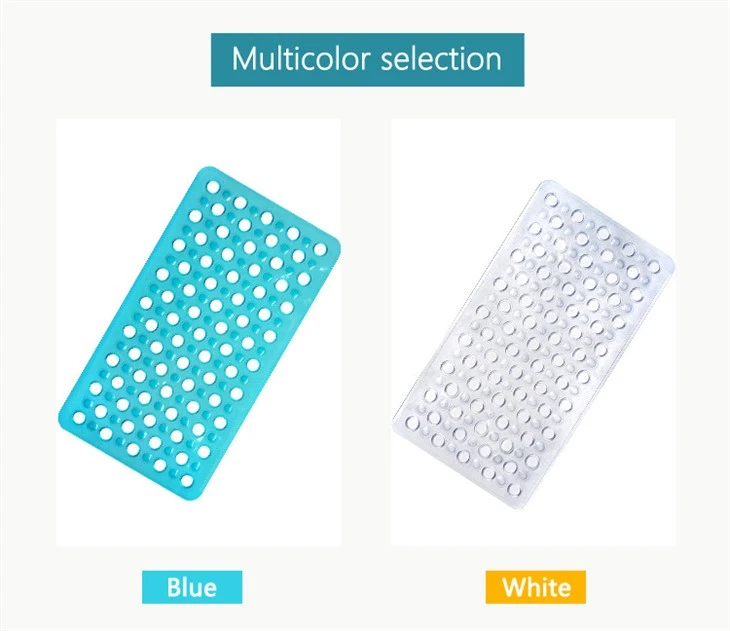
Bath mats absorb plenty of water throughout their lifespan, all while sitting in the humid environment of a bathroom, which will affect the quality of the mat over time. While durable varieties will hold up to frequent use, you should replace bath mats every two years. You may have to replace bath mats sooner if they experience wear and other damage. To know when to replace bath mats, look out for the following warning signs.
- Peeling: If your bath mat has a backing, check that it is not peeling, tearing or coming off in any way. When the backing comes off, it could make the mat less safe and slip-proof.
- Loose threads: Watch out for fraying, holes and other damage in any fabric. If you notice loose threads or other wear, replace it to maintain a fresh and luxury look.
- Stains: If stains won't come out, try bleach but don't use too much as that could damage the fibers. If the bath mat still looks stained, it's time for a new one.
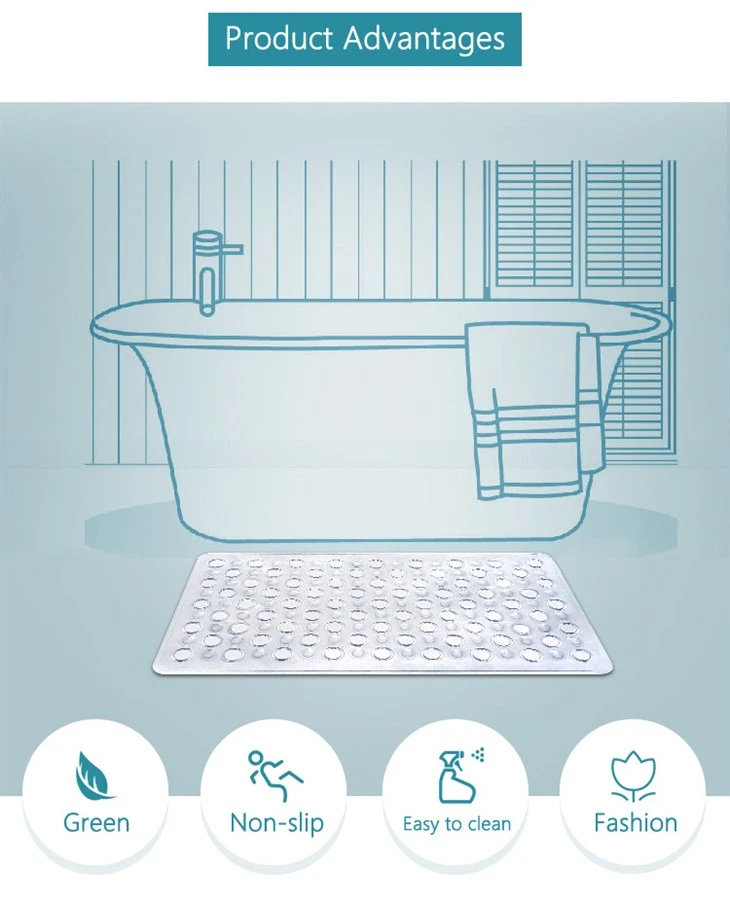
The most common place to put a bath mat is next to a shower or tub. Put one along the length of the tub, and make sure the mat is right next to it so it can work the best. The mat will absorb water when you get out of the shower, along with any water that may splash over the side when taking a bath.
You can also get the benefits of a bath mat in another area of the bathroom. Put a small bath mat in front of the sink in a bathroom for more luxury. A bath mat in that location will give you something comfortable to stand on as they wash their hands, brush their teeth or get ready in front of the mirror. As a bonus, a bath mat in front of a sink will absorb any water that splashes over the counter, which protects floors and the bottom of cabinets. Bath mats by the sink also prevent slipping if a lot of water gets onto the floor.
Depending on the size and layout of your bathroom, you could use one mat to cover the area by the sink and the shower or tub. While this means you will only need one mat per bathroom, it may be more convenient to have two smaller mats, one for the sink and one for the tub.
Consider the Floor Space
Before purchasing, measure your available floor space. When you have a better idea of the dimensions of different spots in your bathroom, you won't buy a mat that's too big or too small.
Look at Different Shapes
Bath mats come in a number of different shapes aside from your standard rectangular one. Circular, oval, half-circle and other more uniquely shaped bath mats may be a great alternative.
With different shapes comes a different amount of space the mat will need. Rectangular bath mats are so common because they're the easiest shape to work with. Since the room itself is based on a rectangular shape, this kind often works the best in the room.
Find the Proper Placement
Deciding on the configuration of where and how you will place your bath mats will help you decide which sizes you need. Do you want one big bath mat, or do you want multiple smaller ones? How much of the overall floor space to you want to cover with the bath mat? These are a few questions to ask that will help you with the placement later on.
FAQ
We're professional bath mat manufacturers and suppliers in China, specialized in providing high quality products and service. We warmly welcome you to wholesale customized bath mat at low price from our factory.
customize colors and sizes bath mat, PVC Folded Yoga Mat, yoga mat made of cork